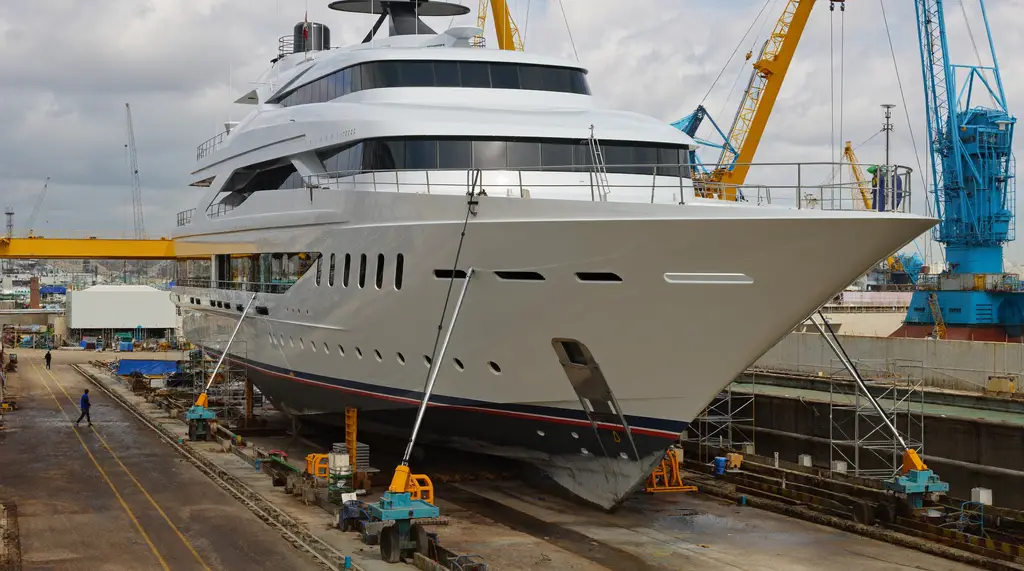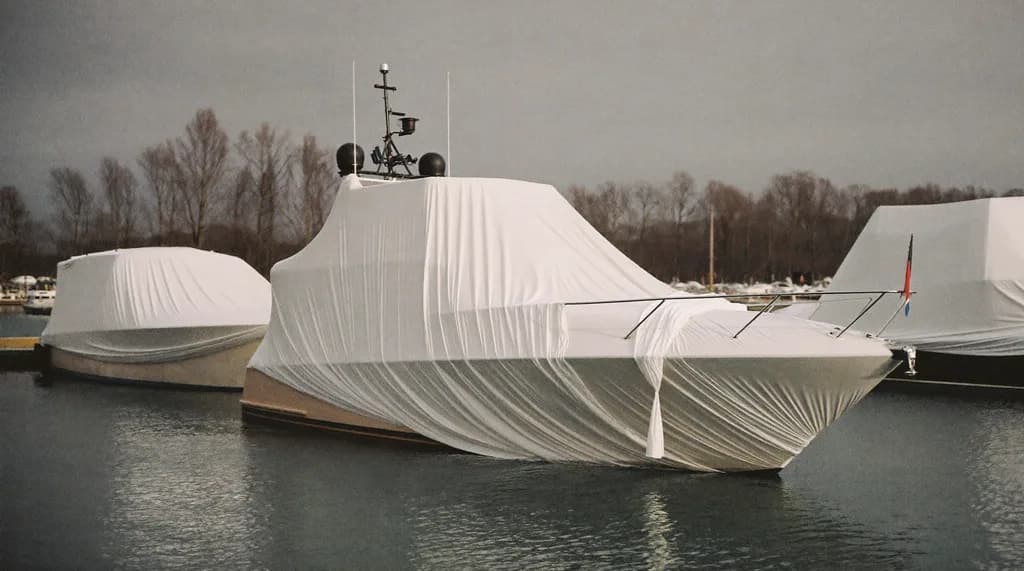
Winterization is the mirror image of season opening — but it gets a fraction of the attention. Season opening has a hard deadline: guests, charters, a date the boat has to be ready. Layup has no deadline pressure at all, which is exactly why it gets rushed, skipped, or done inconsistently between one October and the next.
The problems this causes don't show up in October. They show up in April, as a fuel system full of varnish, a battery bank that won't hold charge, or a stern gland that seized over winter because nobody greased it before the boat sat still for five months.
This is a system-by-system checklist for laying a yacht up properly — whether that's a full haul-out for the winter or an extended period of inactivity at the dock.
Before Anything Else: Plan the Sequence
Winterization goes wrong most often not because a step is skipped entirely, but because it's done out of order. Fuel stabilizer added after the boat has already been sitting for weeks does far less good than stabilizer added at the last fill-up before layup, so it circulates through the system during final operation. Draining water systems before confirming the season is genuinely over risks having to re-fill and re-drain if there's one more trip.
A workable sequence:
- Add fuel stabilizer at the last fuel-up of the season, before the final voyage
- Complete the last operational voyage or trip
- Change engine and generator oil while it's still warm from running (old oil holds contaminants in suspension; draining warm gets more of it out)
- Haul out or confirm final berth for the layup period
- Drain and protect water systems
- Complete deck, exterior, and electronics protection
- Disconnect or put batteries on maintenance charge
- Notify insurer of layup status
- Log everything
Engine Room and Propulsion
The engine room is where deferred maintenance causes the most expensive spring surprises.
- Change engine oil and filters while the engine is warm. Used oil left in the crankcase over winter holds acidic combustion byproducts against internal surfaces for months — draining it while warm removes more contaminants than draining cold.
- Add fuel stabilizer at the final fill-up, not after the fact. Stabilizer needs to circulate through the fuel system, not just sit in the tank. Run the engine briefly after adding it so treated fuel reaches the injectors and filters.
- Change fuel filters — primary and secondary — as part of layup, not deferred to spring. A filter that sat through winter holding any water or contamination is a spring start-up problem waiting to happen.
- Fog the engine cylinders if the manufacturer recommends it for the specific engine type — check the manual rather than assuming a generic fogging procedure applies.
- Drain and add antifreeze/coolant to raw water systems where freeze risk exists. Even in milder Mediterranean layup locations, a cold snap is not impossible, and raw water circuits are usually the first thing damaged by an unexpected frost.
- Grease the stern gland/shaft seal, cutlass bearing, and any grease points before the vessel sits static for months.
- Check and top up gear oil in the transmission.
- Close seacocks related to engine cooling and note their positions in the log — a seized seacock discovered mid-season-opening is a preventable delay.
Layup is also a good moment to compare each hour meter with the next service milestone; our engine service schedules list typical 250 to 2000-hour work packages for common marine diesels.
Fuel stabilizer added to a tank that's already been sitting unused for weeks does far less good than stabilizer added at the last fill-up. If layup wasn't planned in advance and fuel has already been sitting, treat and circulate it as soon as possible rather than assuming it's too late to matter.
Water Systems
Water system failures during layup are almost always about what was left in the pipes, not what was removed.
- Drain the fresh water system completely — tanks, pipework, water heater, and any accumulator tank. A water heater is the most commonly forgotten component; it holds a significant volume and freezes or stagnates just like any other tank.
- Drain or winterize the head and holding tank system. Flush thoroughly before final drainage — residual waste sitting for months is both a hygiene and an odor problem come spring.
- Drain grey water systems — sinks, showers, and any grey water tank.
- Run non-toxic marine antifreeze through fresh water lines in genuinely cold-risk climates, following it through every tap and outlet until it runs pink or blue at every fixture.
- Leave water system valves and taps open after draining, so any residual moisture has somewhere to expand if it does freeze, rather than splitting a closed line.
- Check bilge pumps remain operational even during layup — a boat sitting unattended still needs its bilge system working in case of a leak, rain ingress, or condensation buildup.
Deck and Exterior
Months of static exposure to sun, salt, and weather do more cosmetic and structural damage than a full season of use, because nothing is moving or being rinsed regularly.
- Wash down thoroughly with fresh water before layup — removing salt is the single highest-value exterior step, since salt left in place accelerates corrosion and UV damage over months of static exposure.
- Apply wax or protective coating to gelcoat and painted surfaces before covering or storage.
- Cover the vessel if hauled out, or fit a bimini/cover that protects exposed teak, upholstery, and electronics from continuous UV exposure.
- Remove or stow canvas, cushions, and soft furnishings somewhere dry and ventilated — leaving them aboard invites mildew.
- Check and grease deck hardware — winches, windlass, and any moving deck gear — before months of inactivity allow corrosion to set in.
- Secure or remove loose items that could be damaged by wind if the vessel remains in the water over winter storms.
- Inspect and note any hull or gelcoat damage while the vessel is accessible — this is a natural moment to plan spring repair work rather than discovering it during a rushed pre-season inspection.
Electronics and Batteries
Battery mismanagement is the single most common and most expensive layup mistake. A battery bank left connected but not maintained will discharge slowly through parasitic loads, sulfate, and in many cases need replacement by spring — an entirely avoidable cost.
- Fully charge all battery banks before layup begins, not partway through.
- Disconnect batteries or connect them to a smart maintenance charger for the layup period. A maintenance charger that trickle-charges and monitors state of charge is worth the investment relative to replacing a sulfated battery bank in spring.
- Check electrolyte levels on flooded lead-acid batteries before layup, if applicable to the vessel's battery type.
- Remove electronics that are vulnerable to moisture or extreme temperature where practical — handheld VHF units, tablets, and portable navigation equipment are easier to protect ashore than aboard.
- Cover or protect fixed electronics — chartplotters, radar domes, and antennas — from UV and moisture exposure during extended inactivity.
- Test and note the condition of navigation lights, bilge alarms, and any remote monitoring systems before layup, so spring re-commissioning starts from a known baseline rather than a guess.
Insurance and Documentation
Layup is not just a technical process — it's a status change that your insurer needs to know about.
Many hull policies include specific layup or lay-up conditions — sometimes offering a reduced premium during the inactive period, but usually attaching requirements: batteries disconnected, bilge pumps operational, specific security measures, or a defined geographic storage location. Assuming your standard cruising cover applies unchanged during layup is a common and avoidable gap. Confirm the layup terms with your insurer or broker before, not after, the vessel goes into storage. For a fuller picture of hull and P&I coverage structure, see our yacht insurance guide.
- Notify your insurer or broker of layup dates and storage location.
- Confirm any policy-specific layup requirements — security, battery disconnection, or inspection frequency during the layup period.
- Photograph the vessel's condition at the start of layup — exterior, interior, and any existing damage — as a dated record for both insurance and your own reference at re-commissioning.
- Log every winterization task performed, with date and who did the work, in the same system used for in-season maintenance records. This closes the loop when spring preparation starts and avoids re-discovering (or forgetting) what was actually done.
Crew and Marina Coordination
- Confirm the marina or yard's layup and storage terms — access arrangements, security, and any work permitted to be done by the owner's own crew versus yard-only work.
- Agree on a check-in schedule if the vessel is unattended for an extended period — someone should physically check the vessel periodically, not just assume it's fine until spring.
- Brief any remaining crew on layup-period responsibilities — bilge checks, battery monitoring, and who to contact if something is found wrong.
- Confirm re-commissioning timeline expectations with the owner before layup is complete, so season opening planning can start from an accurate picture of what state the vessel was left in.
Regional Considerations: Mediterranean Layup vs Genuinely Cold Climates
Not every step on this checklist carries the same weight everywhere. A yacht laid up in Turkey, the southern Aegean, or a similarly mild Mediterranean climate faces a different risk profile than one hauled out in a region with reliable hard frost.
Freeze protection matters less, but isn't zero. Winters in the eastern and southern Mediterranean rarely bring the sustained sub-zero temperatures that make antifreeze in raw water systems non-negotiable further north. That said, "rarely" is not "never" — an unusual cold snap has damaged more than one yacht that skipped freeze protection on the assumption that it wouldn't be needed. Treat the raw water antifreeze step as low-priority-but-not-optional in mild climates, rather than skipping it outright.
UV and salt exposure become the bigger threat. In warmer layup locations, months of static sun exposure do more cumulative damage to gelcoat, canvas, upholstery, and exposed electronics than cold ever would. The wash-down, wax, and cover steps in the deck and exterior section carry more relative weight in a Mediterranean layup than the freeze-protection steps do.
Battery and fuel steps apply everywhere, regardless of climate. Sulfation from an undercharged battery bank and varnish formation from unstabilized fuel happen the same way in a warm boatyard as a cold one — these aren't climate-dependent risks, and skipping them because "it doesn't get cold here" is a common and costly misunderstanding.
Marina versus dry storage changes the checklist slightly. A vessel remaining afloat over the layup period needs ongoing bilge pump function and periodic hull inspection that a hauled-out vessel on stands doesn't. Confirm with the marina which of these checks, if any, they perform as part of a standard layup arrangement, and which remain the owner's or captain's responsibility.
Frequently Asked Questions
Layup Done Once, Done Properly
Winterization has no external deadline forcing it to happen well, which is exactly why it's worth treating as seriously as season opening. A yacht laid up properly — fuel stabilized before it sits, batteries maintained not just disconnected, water systems genuinely drained rather than assumed empty, and every step logged — starts the next season from a known baseline instead of a guess.
The captains who dread spring re-commissioning are usually the ones who rushed layup the previous autumn. The ones who don't are the ones who treated it as a checklist worth doing right the first time.
What changed (7 Sep 2026): Removed or marked unsupported numeric claims and replaced them with sourceable, vessel-specific guidance.