APA — Advance Provisioning Allowance — is the mechanism that funds a charter's running costs. It sounds straightforward: charterer deposits a sum, captain spends it on fuel and provisions, remainder gets returned. In practice, the management of this fund is one of the most common sources of charter disputes, end-of-season friction, and damaged client relationships.
This guide explains what APA is, what it covers, and how to manage it in a way that works for both captain and charterer.
What APA Is
The Advance Provisioning Allowance is an additional sum paid by the charterer before departure. It is not part of the charter fee — it is a separate fund held by the captain on behalf of the charterer to cover variable operating expenses during the trip.
The charter fee pays for the vessel and crew. The APA pays for everything they consume and every port they visit.
At the end of the charter, the captain produces a full reconciliation: total APA received, minus total documented expenses, equals the balance to be returned or the shortfall to be collected.
What APA Covers
The exact scope varies by charter agreement, but standard APA coverage includes:
Fuel
On motor yachts, fuel is often one of the largest APA costs and the hardest to estimate in advance. Consumption depends on the vessel, speed, and route, so the estimate has to come from that yacht's own figures.
The captain should prepare a realistic fuel estimate before charter commencement, accounting for the specific vessel's consumption profile and the planned itinerary. This sets an informed expectation and reduces shock at the final accounting.
Provisioning
Daily food and beverage costs depend on guest count, preferences, dietary requirements, and destination. Premium wine and spirits can materially change the line, so price the preference sheet with current supplier quotes before departure.
Gathering a detailed preference and dietary restriction list before departure is not just a hospitality gesture — it is a budget management tool.
Harbour and Marina Fees
High-season berth fees at Monaco, Saint-Tropez, Ibiza, or Dubrovnik can be substantial for a large vessel. Pre-booking where possible allows accurate budgeting; last-minute marina entry should come with advance notice to the charterer if the cost is materially above forecast.
Transfers and Shore Transport
Airport transfers, tenders to shore, excursion vehicle hire. These should be explicitly listed in the charter agreement as APA items to prevent any ambiguity about whether they are "included."
Water Sports and Activity Costs
Dive tank refills, hired equipment, jet ski fuel, and activity bookings. For significant activity expenditures, seeking charterer approval before committing is both practical and demonstrates the financial stewardship expected of a professional captain.
Crew Gratuity
Crew gratuity is discretionary. Whether it is handled through APA or separately, and how it is distributed, should be addressed clearly in the charter agreement and vessel policy.
APA explicitly does not cover: crew wages, vessel insurance, maintenance costs, equipment depreciation, or any costs that belong to the operator's fixed cost base. Charging these to APA — intentionally or through poor cost allocation — is a serious professional error.
Managing the APA Account
Separate the Float
Keep APA funds completely separate from all other vessel funds. A dedicated petty cash box or a separate bank account makes the reconciliation clean and makes your documentation credible if expenses are questioned.
Document Everything
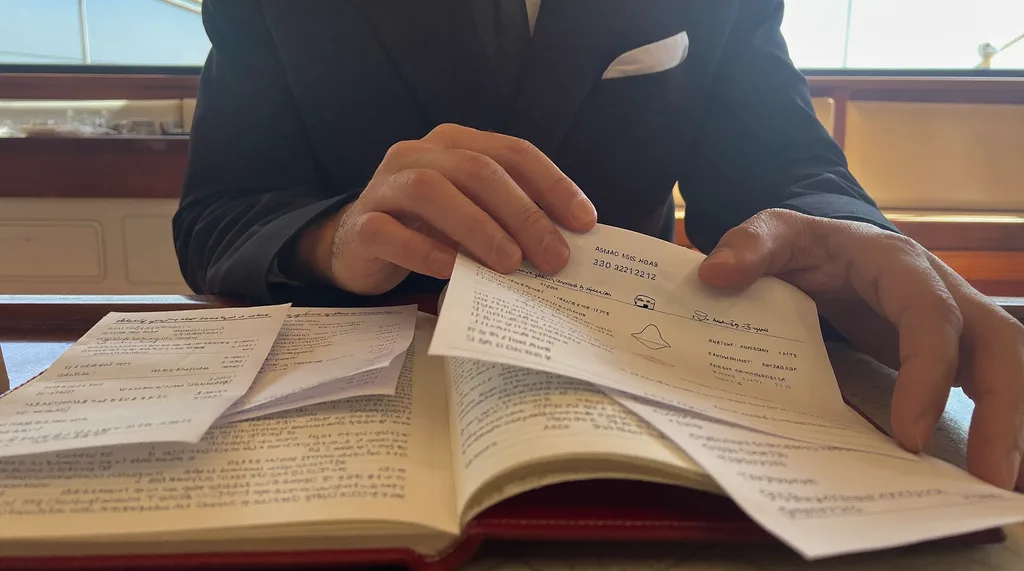
No exceptions. Even a small market purchase needs a receipt or photograph. Undocumented expenses cannot be reconciled confidently to the charterer's APA account and damage trust in the entire accounting.
Report Regularly
Send a brief running balance every one to two days during the charter. For major expenses — a large bunkering stop, a significant provisioning day — notify the charterer the same day with the amount and what it covered.
At charter end, produce a comprehensive final report: every line item, every receipt attached, opening balance, total expenditure, closing balance. Present it at the end of the charter, before the charterer disembarks.
Common APA Disputes and How to Avoid Them
"We burned how much fuel?"
Motor-yacht fuel consumption is not intuitive for charterers who are not experienced boaters. Charter briefings should include a clear estimate based on the vessel's actual consumption curve, planned speed, route, generator load, and current bunker quote.
"I thought provisioning was included"
The charter fee covers yacht and crew hire — it does not cover food, drink, or consumables. This is standard industry practice but not obvious to first-time charterers. The distinction must appear clearly and in plain language in the charter agreement.
"You should have asked before spending that"
Establishing a pre-authorisation threshold at the start of the charter is good practice: agree with the charterer on a spending threshold above which you will seek confirmation before committing. This is particularly relevant for harbour choices and discretionary activity spending.
Missing documentation
A receipt-less APA reconciliation invites doubt about every line. Digital expense management — photographing receipts at point of purchase and categorising immediately — prevents this problem structurally rather than trying to reconstruct documentation weeks later.
Digital APA Management
The combination of spreadsheets, WhatsApp receipt photos, and petty cash boxes works — until it doesn't. A missed receipt, a sync failure, or a handoff between crew members creates gaps that are expensive to reconcile and damaging to charterer relationships.
Digital expense management for APA provides:
- Immediate receipt capture on mobile
- Category-based classification with automatic running totals
- Real-time charterer portal access to APA balance
- Automatic final report generation at charter end
- Full audit trail for any disputed item
HelmOps integrates expense tracking, receipt capture, and trip-level expense summaries in a single workflow. Expenses recorded in the field are linked to the trip and summarised in its Post-Voyage Report — no manual compilation required.
Related Reading
- Mediterranean Charter VAT Guide — tax on charter expenses
- Charter Yacht Management Guide — full charter operations guide
- Yacht Expense Tracker — expense management systems
To learn how HelmOps handles APA management and expense tracking, explore the platform.
What changed (7 Sep 2026): Removed or marked unsupported numeric claims and replaced them with sourceable, vessel-specific guidance.